The venue industry has spent years obsessing over floor plans. We build software, design workflows, and structure training programs around them. We treat room flips, seating plans, traffic flow, and diagrams as if the layout is the event’s center.
But after talking with venue teams, planners, and event professionals, a glaring truth is obvious. The layout was never the problem. The communication surrounding it was.
Nobody loses sleep over an initial floor plan. They lose sleep over what happens after it changes.
They worry about the update that never reached the setup crew. They worry about the vendor who arrives with old instructions. They worry about the planner who expects one room setup but finds another on event day. Timelines stop matching the room setup. Clients assume everyone is aligned because no one told them otherwise.
The layout didn’t fail. The communication did.
For an industry built on experiences, we do not address this enough. As events grow complex, relying on isolated tools is no longer a sustainable business model.
That is why forward-thinking venues are moving away from rigid database software. Instead, they are switching to Aisle Planner Pro. It is the best solution for turning messy logistics into real-time collaboration.

Why Do Venue Teams Struggle With Event Coordination?
Venue professionals face increasingly complex challenges. Clients want deep personalization, events involve vast webs of vendors, timelines are tighter, and technology changes fast. Venue teams handle this heavy workload while trying to keep the same precision and service that made them successful.
The pressure is real. Cvent’s Event Industry Report shows that event professionals face growing expectations around attendee experience, tech integration, and speed. As events become more customized, venue teams must coordinate more stakeholders, moving pieces, and communication than ever before.
Source:Cvent Event Industry Report
Yet, many legacy tools operate as though events happen in a vacuum. Layout tools belong to one software, while the checklist uses a completely different platform. Many venue teams begin searching for the best venue layout software only to realize they need a platform that manages communication and execution as well.
Email threads bury vendor notes, and client communication scatters across disjointed channels. Internal updates dissolve into a chaotic soup of spreadsheets, PDFs, sticky notes, and texts.
Then we wonder why event coordination feels like an uphill battle. The answer is simple: fragmented information creates fragmented experiences.
When silos trap data, a simple change triggers a domino effect that ruins an entire evening. Aisle Planner Pro solves this baseline frustration. It pulls every communication channel, document, and layout update into one cloud-based platform.
What Is Venue Management Software?
To fix this, we must look closely at the tools we give our teams. What is venue management software? True venue management software—often called an all-in-one venue management system or event venue software—is not just a digital drawing board or a simple calendar.
This centralized ecosystem unites your team, clients, planners, and documents under one roof. It runs the entire booking lifecycle, from the initial sales inquiry to the final breakdown and post-event reporting.
Many venue professionals operate in chaos daily. The last-minute scramble, endless follow-up emails, and version issues feel normal.
But normal does not mean efficient or scalable. McKinsey research shows that employees spend nearly 20% of their workweek searching for internal information or tracking down colleagues. When critical information lives in multiple places, productivity drops and mistakes grow.
Source:McKinsey Global Institute
The most successful venue teams do not always have the biggest budgets. Instead, they excel at creating clarity.
Aisle Planner Pro gives teams this exact superpower by serving as a single home for every operational asset. They understand a core truth: the job isn’t just managing events; the job is managing information.
What Is the Difference Between Floor Plan Software and Venue Management Software?
When looking at the market, you must ask: what is the difference between floor plan software and venue management software? This distinction matters because operational speed shapes the future of modern venue planning software.
Thriving venues recognize that layouts are no longer standalone, static documents. They are living tools connected directly to timelines, vendors, guests, and execution. The best venue layout software should do more than create diagrams—it should connect layouts, timelines, vendors, and communication.
A few years ago, venues asked: “What floor plan software should we use?” Today, they ask: “How do we keep everyone on the same page?” That is an operational question that requires an integrated platform.

Feature Focus: Understanding Your Toolsets
To understand how software needs change depending on your goals, look at how different platform types function across the industry:
1. Venue Layout Software (The Specialized Tool)
Think of this as digital blueprint software or an event layout software for venues. It has one specific job: helping you arrange tables, chairs, and stages inside a digital room.
- Primary Goal (Design a room layout): It helps you confirm that 200 chairs can fit in a ballroom. It also ensures the fire exits stay clear.
- Output (Static or 3D diagrams): It creates a visual picture or a 3D walkthrough of the room. You print it out or email it as a PDF so the setup crew knows where to place the tables.
- Core Function (Shows and visualizes spaces): It is strictly visual. It does not track payments, timelines, or automatic guest count drops. A simple drawing.
2. Venue Management Software (The Business Engine)
This is a broader platform meant to run the backend operations of a venue business. It handles the paperwork, money, and overall business logistics.
- Primary Goal (Run a full event and business): It helps managers track sales leads. It also helps them send contracts, invoice clients, and see seasonal revenue trends.
- Output (Team alignment and business data): It generates financial spreadsheets, booking calendars, and staff schedules to prevent accidental double-bookings.
- Core Function (Improves workflows and business health): It focuses on the corporate side of running a venue—keeping the business organized, profitable, and staffed.
3. Aisle Planner Pro (The Connected Ecosystem)
This is the “All-in-One” solution. It takes the visual power of layout software and the business power of venue management software and links them together so they talk to each other in real-time.
- Primary Goal (Unify layouts, timelines, planning, and communication): Instead of using different software for the floor plan, the invoice, and client notes, everything lives in one secure space.
- Output (Interactive collaboration for clients and planners): Instead of sending a static PDF layout, you invite the client and their planner directly into the software to make updates that you see instantly.
- Core Function (Connects sales with smooth execution): It bridges the gap between the office and the event floor. When a client updates their guest count, the layout updates, the seating chart adjusts, and the kitchen gets the new headcount automatically.
By moving away from single-purpose tools and heavy databases, venues can deliver a high-end experience by using Aisle Planner Pro as their core venue operations software. Legacy tech cannot match this level of service.
What Is the Best Venue Layout Software?
The best venue layout software should do more than create floor plans. It should help venue teams manage communication, timelines, guest flow, vendor coordination, and event execution from a single platform. While many tools focus exclusively on diagramming, modern venues increasingly prefer connected solutions that keep layouts tied to the operational details that bring events to life.

Why Venue Teams Need Layout Software
Accurate dimensions and a reliable venue floor plan tool are essential. Venue teams must prove that guests fit comfortably alongside dance floors, buffets, and stages. Visuals help clients see their dream day, allow sales teams to upsell spaces, and ensure teams respect local fire codes.
But venue layout software, wedding venue layout software, and standalone event diagramming software should not exist in isolation. If your venue floor plan software or floor plan software for venues sits in a silo detached from communication, you are building on sand.
When software treats a floor plan as an independent asset, it becomes a bottleneck. It forces your staff to manually copy data across multiple systems, which invites human error.
Aisle Planner Pro eliminates this bottleneck. Its layout tools integrate directly with its project management features. Because of this, the floor plan automatically links to the guest list, the seating chart, and the operational notes.
How Do Venues Manage Event Logistics?
Successful teams view every event asset as connected. When looking at how do venues manage event logistics, a single change to a guest count sets off a swift domino effect across the venue workflow management:
- How do venues manage seating charts? They must adjust them immediately using built-in wedding seating chart software to match new counts.
- How do venues manage guest flow? Layout changes alter how people move through the space.
- Catering Updates: The kitchen needs a revised headcount for food prep.
- Rental Adjustments: The rentals order must change to reflect the new number of chairs and linens.
If your team manages these logistics across separate platforms, sticky notes, and texts, data falls through the cracks. Modern venue workflow management brings those pieces into one unified space. An update in one area automatically sends clarity through the rest of the ecosystem.
Deloitte research shows that organizations with strong collaboration practices make faster decisions, improve execution, and adapt better to change. For venues, that translates directly into smoother events.
Source:Deloitte Insights
Aisle Planner Pro acts as the ultimate air traffic controller for these logistical dominos, updating the entire system instantly.
Managing Floor Plans and Timelines Together
Seamless execution requires closing the gap between where things go (the layout) and when things happen (the timeline).
To master how do venue teams create floor plans while keeping schedules intact, you must use a collaborative digital platform where the timeline and the diagram talk to each other. When you schedule a room flip for 4:00 PM, the layout for “Setup B” should link directly to that time slot.
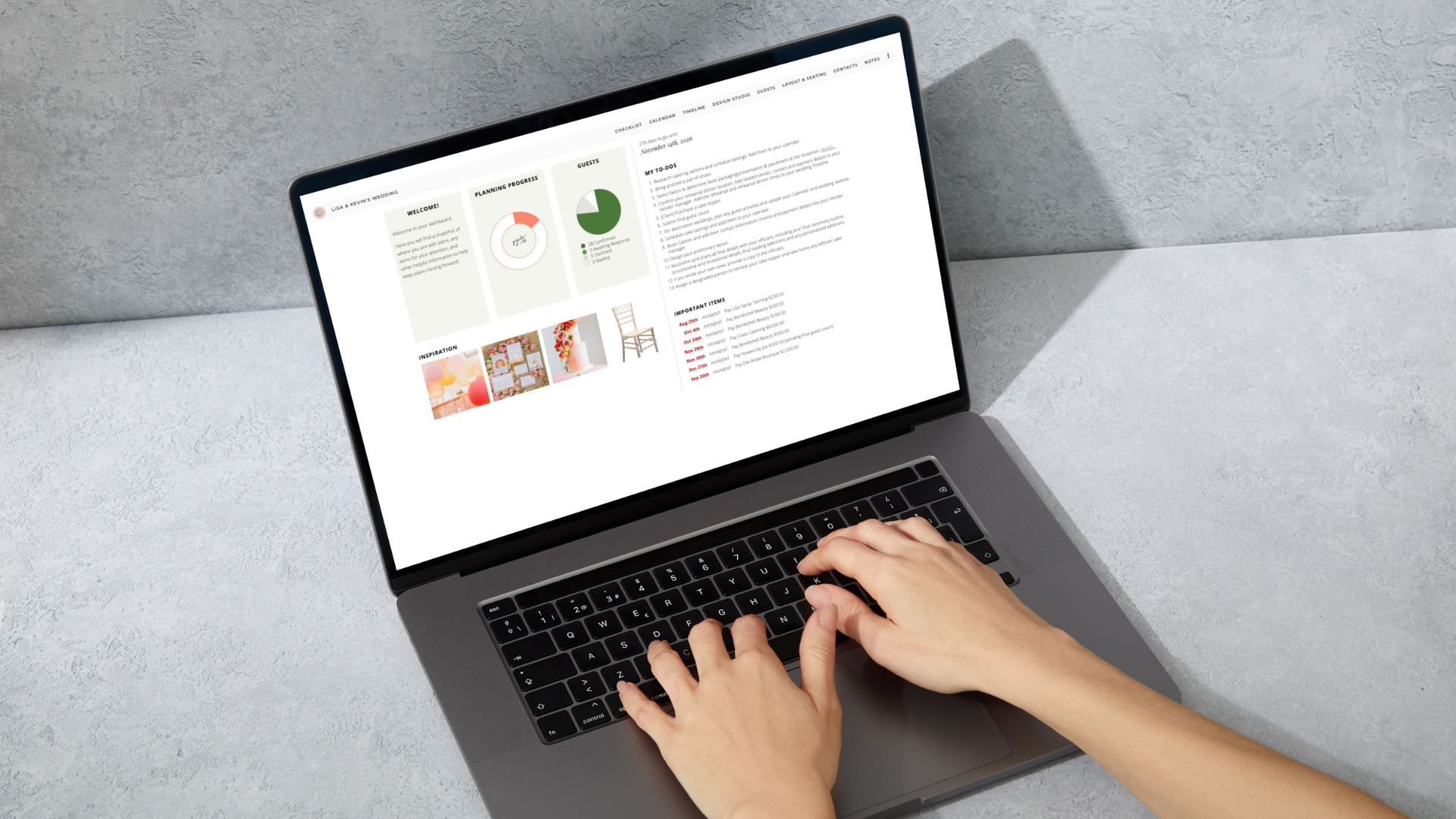
This is where Aisle Planner Pro shines. The platform marries the timeline tool with the floor plan builder. Because of this integration, a team member looking at a phone can click directly into the exact visual map showing where tables need to go at that exact minute. It removes all guesswork from room transitions.
How Can Venues Improve Communication With Planners?
Planners and event organizers do not want to log into clunky, multi-layered corporate systems that take a three-month course to understand. They want simplicity, transparency, and real-time updates.
When asking how can venues improve communication with planners, the answer is easy. Invite them into a shared, intuitive workspace powered by Aisle Planner Pro’s venue collaboration software.
Many top-tier wedding and event planners already use and love Aisle Planner for their own businesses. Because of this, welcoming them into your venue’s ecosystem feels like second nature.
Can wedding planners collaborate on venue layouts? With Aisle Planner Pro, yes. Instead of emailing PDFs back and forth, give the planner direct collaboration access.
Planners can adjust a table position or update a guest’s dietary restriction right within the shared ecosystem. The email tennis match ends instantly, fostering a true partnership.
According to WeddingPro research, trusted vendor relationships play a massive role in how event professionals build their businesses. When planners trust a venue’s processes, those relationships lead to repeat business and future recommendations.
Source:WeddingPro Industry Reports
What Tools Help Venue Teams Stay Organized?
When looking at the market for venue coordination software, the tools that offer the highest return on investment focus on ease of use and internal clarity. If you are tracking what tools help venue teams stay organized, Aisle Planner Pro delivers an integrated toolkit:
- Centralized Digital Timelines: Real-time schedules accessible by coordinators, banquet staff, and external planners simultaneously.
- Integrated Seating & Layout Tools: Drag-and-drop floor plans that link directly to the master guest list and registration data.
- Interactive Vendor Portals: Dedicated spaces where external professionals access load-in instructions, timelines, and floor plans without seeing private client financial data.
- Automated Task Management: Workflows that remind staff when payments are due, contracts need signing, or final layouts need approval.
- Unified Business Dashboard: A high-level overview that tracks analytics, performance, and protects the venue from accidental double bookings.
Finding the Best Software for Your Venue
When evaluating the market to choose the right platform, venue owners typically ask a few fundamental questions:
- What is the best venue management software?
- What is the best venue layout software?
- What is the best event floor plan software?
- What software do wedding venues use?
The ideal software balances robust operational power with an approachable, elegant user interface. This is especially true when choosing wedding venue management software. Weddings are emotional, high-stakes events with dozens of moving parts and clients who easily feel overwhelmed.
The average wedding involves numerous vendors, timelines, and decision points. When asking what is the best software for wedding venues, look for centralized systems that create an organized experience for staff, couples, and planners alike.
Source: WeddingPro + The Knot Industry Research
The ideal software shouldn’t feel like a rigid corporate database; it should feel like an inviting, design-driven collaborative haven. This is why Aisle Planner Pro is the gold standard worldwide.
The venue team can manage contracts, invoices, and scheduling internally. At the same time, the platform provides a beautiful, stress-free environment for couples and planners to manage guest lists and design seating charts.
How Do Venue Teams Share Layout Changes and Reduce Mistakes?
The fastest way to eliminate event-day errors is to wipe out fragmented information. Mistakes rarely happen because venue teams lack talent; they happen because teams work off outdated data.
IBM research estimates that poor-quality data costs organizations trillions of dollars globally each year. The principle remains universal: decisions are only as good as the information available to the people making them.
Source:IBM
When exploring how do venue teams share layout changes to drastically reduce event-day mistakes, Aisle Planner Pro empowers you to implement four operational pillars:
- Enforce a Single Source of Truth: Ban printed spreadsheets or old screenshots. With Aisle Planner Pro, if an update isn’t in the master cloud system, it doesn’t exist. This ensures every department looks at the same version of the event.
- Automate Change Notifications: When you make a critical update to a timeline or layout, updates appear instantly across the entire platform. The live digital timeline updates automatically across all devices.
- Empower Mobile Access: Give your banquet captains, setup crews, and kitchen staff mobile access to live event files via Aisle Planner Pro. This allows them to verify details on the floor in real time.
- Build Digital Contingency Plans: Live events require backup plans. Having alternative layouts built directly into your shared workspace allows your team to pivot instantly when weather turns or vendors arrive late.
The Shift Toward Connected Ecosystems
Confidence drives great event experiences. Teams thrive not because everything goes perfectly, but because they are fully prepared to adapt together when plans change.
And plans always change. Guest counts shift, timelines move, weather turns, and clients make new requests. The question is whether your systems can handle it.
The industry is moving away from disconnected tools, isolated workflows, and static layouts. We are moving toward connected ecosystems where information flows freely, workflows are simple, and people operate with absolute certainty.
As events become more complex, operational clarity is no longer a luxury—it is a competitive advantage. Venues that embrace this shift with a modern, client-preferred platform like Aisle Planner Pro as their core venue event management software will deliver exceptional experiences. They will succeed no matter how many variables change along the way.
Whether you’re searching for venue management software, wedding venue software, event floor plan software, venue layout software, or a venue planning platform, the goal is ultimately the same: keeping people aligned when plans change.
The venue industry does not have a layout problem. It has a communication problem. The venues that solve it by partnering with Aisle Planner Pro will set the standard for the next generation of event experiences.