Why Every Event Professional Needs the Right Technology in Every Season
The Truth That Powers Successful Events
📖 Read Time:
📅 Date:
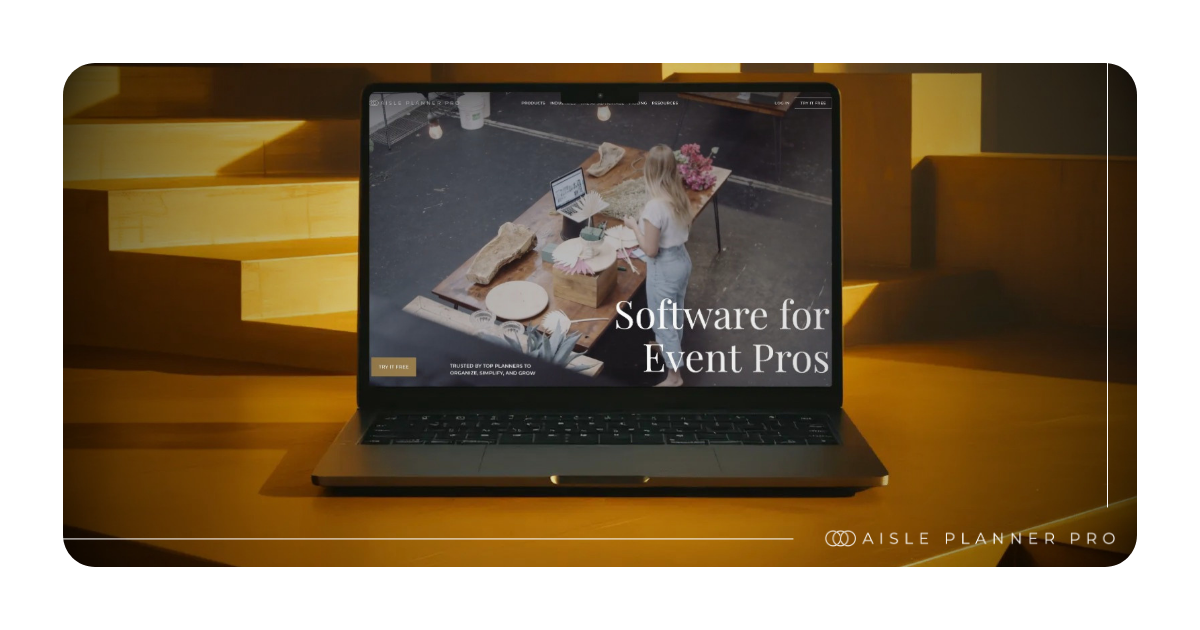
The event industry is built on human connection: the handshake with a new client, the perfectly timed reveal of a reception space, the moments that make people say, “I’ll never forget this.” But behind every seamless event is a business, and every business depends on efficient systems. That’s where event management software and wedding planning software become essential, helping event professionals manage clients, projects, timelines, payments, and communication from one centralized platform.
Whether you’re launching a new event planning business or navigating a slower season, the right technology isn’t a luxury. It’s the foundation that helps event planners, coordinators, venues, caterers, florists, photographers, and other event professionals elevate operations, improve client experience, increase productivity, and grow with confidence. Investing in the right event management software allows you to stay organized, win more business, and remain top-of-mind when the phone isn’t ringing as often as you’d like.
The Planting Season: Building the Right Foundation from Day One
When you’re launching an event planning business, every decision feels high stakes. You manage vendor relationships. You build your portfolio. You set pricing. You attract new clients. You create workflows. Often, you do it all at once. Often, you do it on your own. Without the right systems in place, small tasks can quickly become overwhelming.
This is precisely when the right tools pay the biggest dividends.
CRM Software: Know Every Lead, Never Drop a Ball
A Customer Relationship Management (CRM) platform is the single most valuable investment a new event professional can make. As a core component of event management software, an event CRM, like Aisle Planner Pro, helps event pros manage every inquiry, follow-up quickly, track leads, send proposals, organize client communication and execute contracts, all in one place.
Without a CRM, potential leads fall through the cracks, costing your business valuable opportunities. With the right event planning software, every lead moves through a structured sales pipeline, helping you stay organized and convert more inquiries into booked events. From the moment a prospective client fills out a contact form to the day you deliver their invoice. A CRM creates a professional, consistent client experience while reducing manual work, even if you’re running your business solo.
Scheduling and Automation: Buy Back Your Time
New event professionals often underestimate the hours lost to back-and-forth communication. Scheduling tools like Aisle Planner Pro’s AP Connect, Calendly, or Acuity eliminate the frustration of finding a meeting time. Automated workflows including onboarding sequences, contract reminders, and payment confirmations mean your business is working even when you’re not.
The perception this creates matters with your clients. A prospect who books a discovery call and receives a polished automated confirmation with your branding immediately senses they’re dealing with a professional. First impressions extend far beyond your website.
ALWAYS IN SEASON TIP: Busy seasons fill your calendar. Slow seasons build your business.
Social Media Scheduling: Consistency Builds Credibility
One of the most common mistakes new event professionals make is posting on social media reactively: when they have time, when they remember, when they’ve just wrapped up an event. The result is an inconsistent presence that fails to build an audience.
Platforms like Later, Buffer, or Planoly allow you to plan and schedule content weeks in advance. This is especially critical in the early stages when you’re working to establish authority in your market. A consistent, well-curated feed signals longevity and trustworthiness to potential clients who are evaluating multiple vendors.
Pro Tip: Curate your social media content with intention. Every post should reflect your brand, showcase your expertise, and appeal to your ideal client. A cohesive visual identity helps build trust, strengthens your event business brand, and attracts the types of clients you want to book. Remember, not every trend or post is worth sharing. Quality content that aligns with your business goals will always outperform content posted just for the sake of posting.
The Slow Season: The Most Strategic Time to Invest in Technology
Every event professional experiences seasonal ebbs and slows in their business. Whether it’s Januaryafter a busy holiday season, the quieter weeks between spring galas and fall weddings, or any other dip in bookings, slow seasons are a natural part of running an event business. While these periods can feel frustrating, they also present one of the greatest opportunities to strengthen your operations.
When client work isn’t consuming your calendar, you have the capacity to audit, upgrade, and optimize the systems that drive your business.
Audit Your CRM and Clean Your Database
A slow season is the ideal time to review your CRM thoroughly. Are your lead intake method and communications creating your ideal customer experience? Are your follow-up sequences still relevant? Is there a list of warm leads who never converted that deserves a thoughtful re-engagement campaign?
Data hygiene is unglamorous work, but it pays off in the long run. Event professionals who maintain clean, organized lead management processes can move faster and more personally when the busy season returns.
Invest in Project Management Tools
If you’re still managing event logistics through email threads and spreadsheets, a slow season is the time to migrate to a dedicated project management platform. Tools like Aisle Planner Pro, Asana, or Monday.com allow you to build reusable event templates, assign tasks with deadlines, and manage vendor communications in a centralized space.
The time investment to thoughtfully setup your project management tool-suite is real, but the payoff during a 60-person corporate dinner or a 300-person wedding weekend is immeasurable. Systems built in the slow season perform under pressure in the busy one.
ALWAYS IN SEASON INSIGHT Technology isn’t replacing your creativity. It’s protecting it.
Refresh Your Booking and Proposal Technology
Client expectations around digital experiences have risen significantly. If your proposals and contracts are still PDFs attached to emails, you are likely losing business to competitors offering interactive, beautifully branded proposal and contract software with integrated access and digital signing. Your software should reduce friction in the booking process, not create it!
A slow season gives you time to redesign your proposal templates, refine your service packages, and ensure the entire client journey, from first inquiry to final invoice, reflects the caliber of the events you produce.
Strengthen Your Online Presence with Better Tools
SEO, lead generation, and online reputation management don’t happen passively. A slow season is the time to audit your Google Business profile, respond to existing reviews, and invest in a website platform that converts visitors into inquiries. Tools like SEMrush or even Google Search Console can reveal gaps in how potential clients are finding, or worse, not finding you.
Success Is Always in Season
Here is the reality of the modern event industry: your clients are comparing you to competitors, and they are focused on a professional presence, ease of process, and how you are showing up in the industry overall. A slow response time, a clunky booking experience, or an inconsistent social media presence can cost you business.
Technology levels the field for new event professionals and sharpens the edge for established ones. It allows a solo planner to operate with the efficiency of a larger firm. It allows an experienced professional to re-examine their business with fresh eyes and emerge from the slow season ahead of where they entered it.
The events you create are irreplaceable. The systems that support them should be, too.
Whether you’re in your first year or your fifteenth, the right technology doesn’t replace the artistry of what you do, it protects it. Invest in your infrastructure, and your infrastructure will invest in your growth.
Event management software is a centralized platform that helps event professionals manage inquiries, clients, contracts, proposals, payments, timelines, vendors, and event logistics from one place. It streamlines workflows, reduces manual work, and improves organization throughout the planning process.
A CRM helps event planners organize leads, manage client communication, automate follow-ups, send proposals, and track every stage of the booking process. It reduces missed opportunities and creates a more professional client experience.
Wedding planning software is typically designed specifically for weddings and includes features like timelines, seating layouts, design inspiration, and client collaboration. Event management software often supports a wider range of events, including corporate meetings, galas, fundraisers, conferences, and private celebrations.
A slower season is the ideal time to optimize workflows, clean your CRM, update templates, improve your website, strengthen your SEO strategy, automate repetitive tasks, and prepare your business for future growth.
Look for a platform that includes CRM capabilities, proposal and contract management, payment processing, project management, client communication, timeline creation, task management, reporting, and workflow automation.
Yes. Organized communication, faster response times, online proposals, digital contracts, automated reminders, and centralized client portals create a smoother, more professional experience that builds trust and confidence.
Absolutely. Technology allows solo planners to automate administrative work, stay organized, reduce manual tasks, and deliver a client experience comparable to much larger businesses.
Aisle Planner Pro combines CRM functionality, client collaboration, proposals, contracts, timelines, payment solutions, design boards, project management, and workflow automation into one platform designed specifically for event professionals. Instead of managing multiple disconnected tools, planners can organize their entire business from one centralized solution.