The events industry has spent years celebrating the highlight reel of creative entrepreneurship while quietly ignoring the reality behind the scenes.
For every luxury wedding shared online, beautifully styled tablescape, or “fully booked” Instagram caption, there is an exhausted entrepreneur behind the screen trying to figure out contracts, pricing, timelines, client communication, marketing, cash flow, and burnout — often completely alone.
That realization became the foundation behind the AP Pro Collective.
The events industry did not need more noise, another generic webinar, or another recycled course promising overnight success. It needed real event industry education for professionals who understand that creative talent does not automatically lead to sustainable event business growth.
There is a major difference between being talented at your craft and building an event planning business that can survive long term.
That gap is becoming impossible to ignore.
The Reality of Running an Event Planning Business
For years, entrepreneurship has been sold as freedom. Freedom to create. Freedom to work for yourself. Freedom to build something meaningful.
But very few people talk about how difficult it is to build a successful event planning business without mentorship, business education for creatives, operational systems, or community support.
Many event professionals are expected to become CEOs overnight.
One day you are designing custom installations, coordinating timelines, or managing vendors. The next, you are expected to understand event planning business operations, event planner business strategies, lead generation, accounting, event planner workflow management, branding, contracts, payment systems, and sustainable event business growth.
Most founders are learning all of this in real time.
That is where many event businesses begin to struggle.
According to data from the U.S. Bureau of Labor Statistics, nearly 20% of businesses fail within their first year. Around 50% fail within five years, and approximately 65% close within ten years.
Research consistently points to the same challenges:
- poor cash flow management
- lack of strategic planning
- burnout
- weak operational systems
- limited access to mentorship
- lack of business education
Source: Commerce Institute
The events industry experiences these pressures at an even higher level because the work itself is emotional, client-facing, fast-moving, and deeply tied to economic shifts.
Event professionals are not simply organizing parties.
They are managing timelines, production schedules, design direction, vendor communication, budgets, client expectations, customer service, crisis management, and emotional labor all at once.
This is not “just planning.”
This is business leadership.

Why Event Planner Mentorship Matters
Some event professionals start their businesses with financial support, industry connections, mentorship, or family experience in entrepreneurship.
Others start with a laptop, a second job, late nights, and determination.
Some are building businesses while raising children. Some are recovering from layoffs or career changes. Some are trying to leave toxic work environments. Others are building a business because they want more freedom, stability, or ownership over their future.
That difference in access matters more than people realize.
Because entrepreneurship is not equally accessible to everyone.
One of the biggest lessons we discovered while building the AP Pro Collective is that event planner mentorship and event industry mentorship change confidence completely.
When event professionals have access to wedding planner business education, entrepreneur mentorship programs, networking opportunities, operational guidance, and honest conversations about entrepreneurship, they stop feeling like they have to figure everything out alone.
They make decisions faster.
They build stronger systems.
They gain confidence in pricing and leadership.
They begin to understand that sustainable business growth is not built on hustle alone.
Research from SCORE Mentors continues to show that small business owners with mentorship often report stronger revenue growth and higher long-term survival rates.
We saw this happening in real time.
Every webinar.
Every community discussion.
Every honest conversation about burnout, pricing, systems, workflows, client experience, and growth.
People were not just searching for event planning software or random business tools for event planners.
They were looking for direction.
Event Planning Businesses Need Systems to Grow
One of the biggest misconceptions in the events industry is that passion alone is enough to sustain a business.
It is not.
Creative businesses cannot grow sustainably when every process lives inside scattered spreadsheets, inboxes, sticky notes, and mental checklists.
To build a scalable event planning business, professionals need event planner systems that protect their time, simplify operations, and create consistency.
That starts with organization.
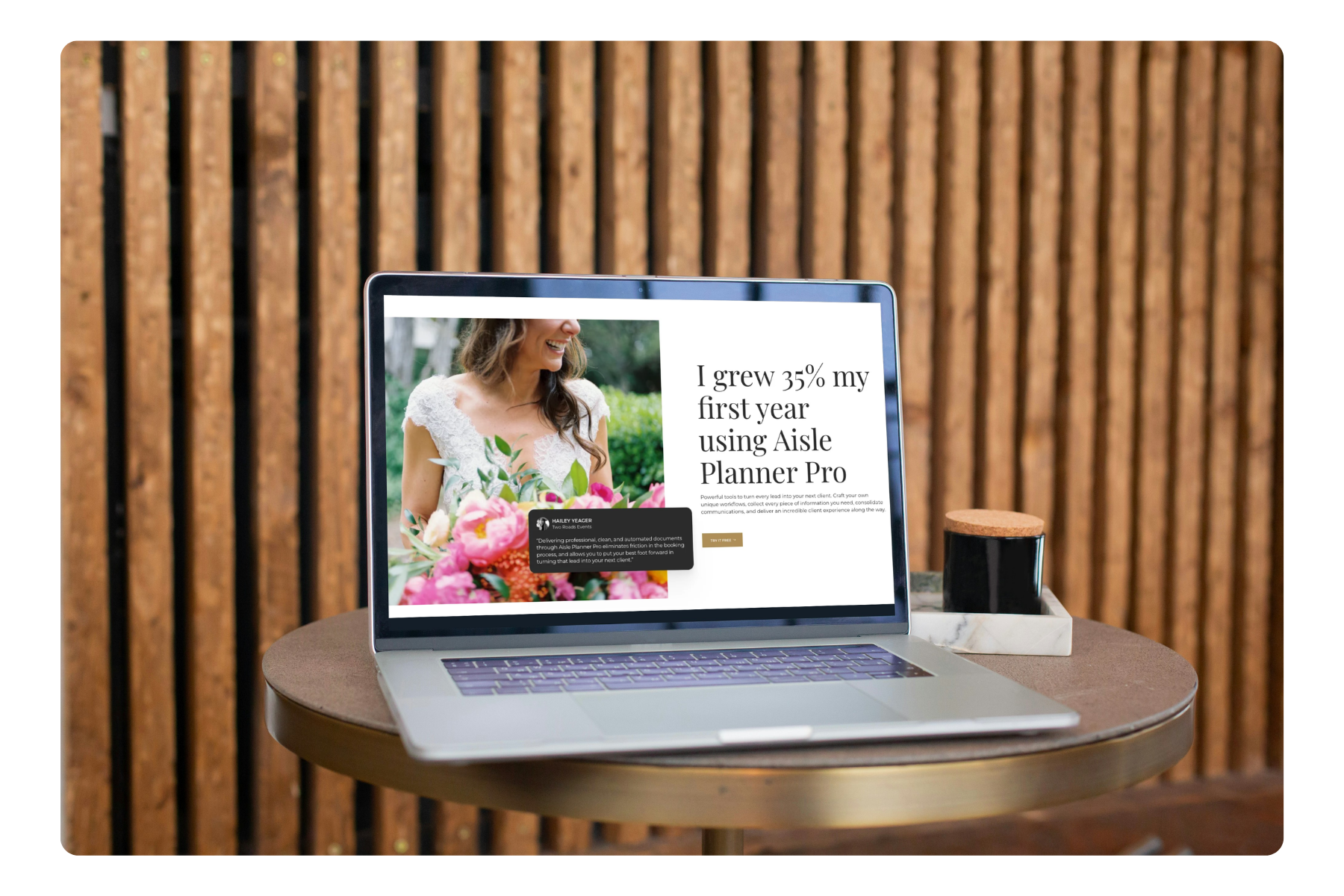
Using a CRM for event planners helps centralize client communication, contracts, invoices, timelines, and lead management into one place. Instead of chasing email threads or searching for missing information, event professionals can create a smoother experience for both their team and their clients.
Financial systems matter too.
Many creative entrepreneurs struggle with unpredictable cash flow because they were never taught how to structure sustainable financial workflows. Strong wedding planner business systems include clear invoicing processes, payment schedules, budgeting, and revenue tracking.
This is one reason event planner business tools like WedPay and integrated event planning software matter. They reduce administrative chaos and allow event professionals to focus on growth instead of constant cleanup.
The same goes for automation.
Event planner collaboration tools and event planner workflow management systems are not about removing the personal side of business. They are about reducing repetitive tasks so creative professionals can spend more time serving clients, building relationships, and growing their companies strategically.
Moving From Creative to CEO
The event professionals who thrive over the next decade will not simply be the most creative people in the room.
They will be the professionals who understand systems, leadership, adaptability, communication, operations, and sustainable business growth.
That shift requires a different mindset.
It requires event professionals to stop viewing themselves as people “helping with events” and start viewing themselves as business owners building long-term companies.
That transition can feel overwhelming, especially in an industry that has normalized burnout and survival mode for years.
Hustle culture convinced many entrepreneurs that exhaustion was proof of ambition.
But burnout is not a business strategy.
Sustainable growth comes from structure, support, education, mentorship, and operational clarity.
That is exactly why the AP Pro Collective exists.
Why We Built the AP Pro Collective
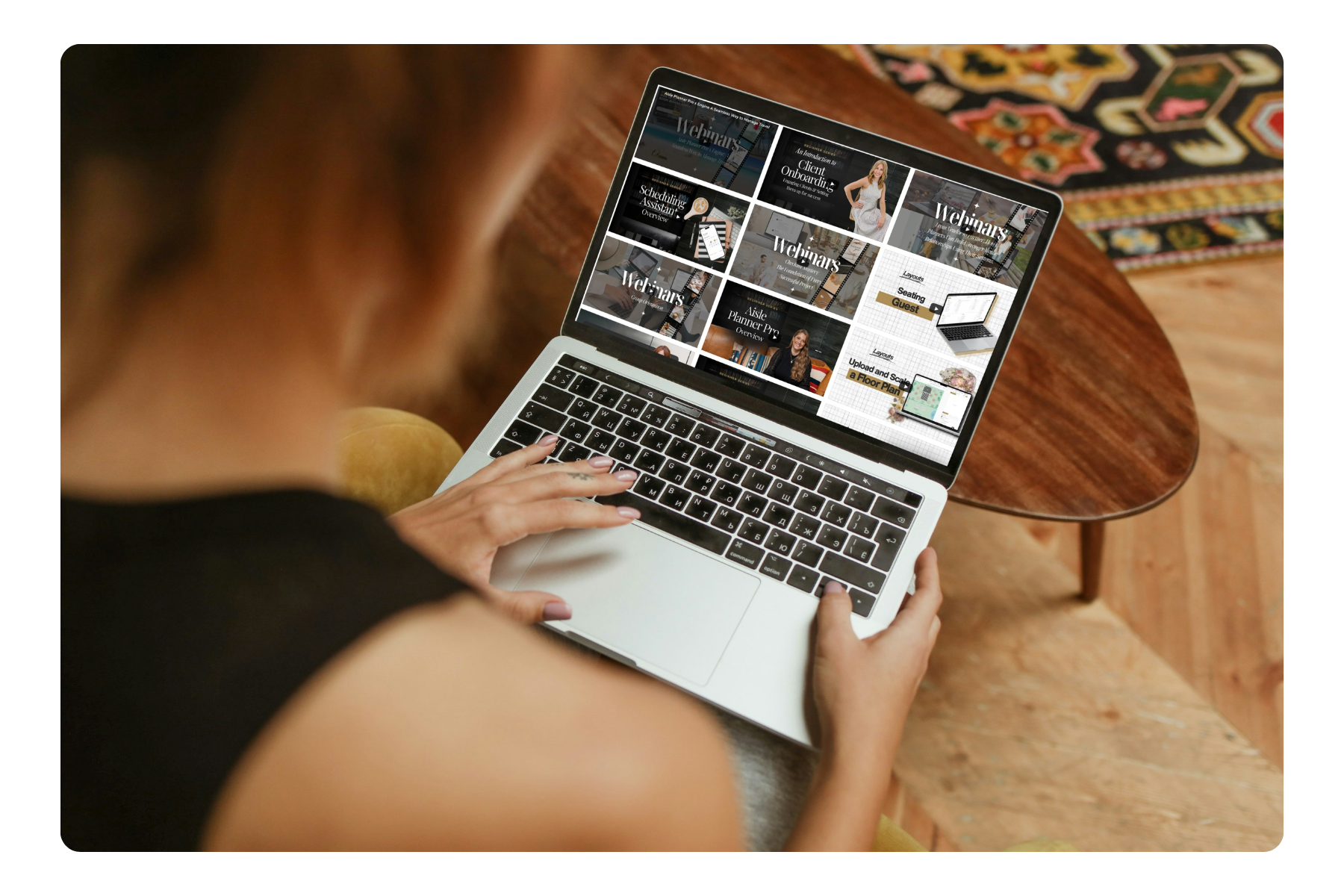
The AP Pro Collective was designed to support event planning business growth through education, mentorship, community, and modern business support.
We wanted to create an event planning community where professionals could access:
- event planner resources
- event business mentorship
- wedding industry education
- event entrepreneur support
- event planning career growth
- event industry networking
- creative entrepreneur education
- and small business growth for event professionals
We wanted event professionals to have access to real conversations about how to grow an event planning business in today’s market.
But more importantly, we wanted the conversations to feel honest.
Not polished perfection.
Not curated internet success stories.
Real conversations about what it actually takes to build a successful event planning business today.
Because the truth is, many event professionals are exhausted.
Not because they are untalented.
Because they are trying to build businesses without enough support.
How to Grow an Event Planning Business Sustainably
If you are wondering how to become an event planner or how to grow an event planning business long term, start by focusing on structure before scale.
Build systems before you grow your workload.
Invest in event planning software that helps centralize your operations.
Use business tools for event planners that simplify contracts, timelines, payments, and communication.
Track your finances clearly.
Create repeatable workflows.
Join an event professional community where you can learn from other entrepreneurs navigating the same challenges.
Find event planner mentorship opportunities that help you avoid costly mistakes and strengthen your confidence as a business owner.
And most importantly, stop believing you have to figure everything out alone.
The future of the events industry belongs to professionals who are willing to adapt, learn, collaborate, and build sustainable systems around their creativity.
Because talent may open the door.
But systems, education, mentorship, and support are what keep businesses alive long term.
That is the future the AP Pro Collective was built for.